

Missing your period during the placebo week of your birth control pack can feel concerning and confusing. You finish your active pills, start the placebo pills, and wait for bleeding that never comes. After a few days of nothing, many women immediately worry about pregnancy. If you’ve missed your period, it could be due to other reasons we’ll discuss below.
How Placebo Pills Work in Your Birth Control Regimen
As you know well, birth control pills are meant to regulate the female reproductive hormones. Depending on your needs, they come in different formulations (progestin-only, combination, low-dose, etc.) and dosages. But whether it’s to prevent pregnancy or manage concerns related to hormonal imbalances, a packet will always contain a set of placebo doses.
What are Placebo Pills?
Placebo pills are the inactive pills in a birth control packet, and their numbers vary depending on the type of birth control packet you are prescribed to take. Some packets include seven-day placebo pills, while others have four.
After completing your active pills, which contain hormones that prevent ovulation, you take placebo pills. These placebo pills do not contain hormones and are included in the regimen to maintain your daily pill-taking routine. The withdrawal from active hormones during this phase leads to a bleed that mimics a natural menstrual cycle.
Birth Control Pills and Your Menstrual Cycle
Birth control pills work by delivering hormones that prevent ovulation and keep the uterine lining thin to prevent pregnancy. These hormones regulate your menstrual cycle, making it more predictable, lighter, and less painful.
When you start taking birth control pills, you might notice changes in your menstrual cycle. While some may notice a decrease in menstrual bleeding over time, it’s important to note that the majority continue to experience regular periods while using the pill.
Reasons for Missing a Period on Placebo Pills
Missing a period while on the placebo pills, as mentioned above, can happen for different reasons. Below, we’ll explore these reasons and corresponding actions to take when your period doesn’t come when expected.
1. Cycle Changes With Birth Control Use
It’s normal to experience changes in your menstrual cycle when on birth control. As the synthetic hormones thin your uterine lining, there would be significantly less lining to shed. For some, a reduced or absent period can be a normal effect of prolonged use of birth control pills, though this does not occur for everyone.
You must note that this reduction in your menstrual bleeding naturally happens the longer you consistently take birth control pills. In fact, medical experts estimate that between 10% and 20% of women commonly experience shorter or fewer periods once they reach their sixth pack of birth control pills. It is also possible that 10% of women who use the birth control pill never have any bleeding.
In this case, there is no need to worry if you’re pregnant or not, as long as you are sticking to your pill schedule strictly. The only thing you need to focus on is staying consistent with the time you take your birth control pills.
2. Lifestyle and Stress: Their Impact on Your Cycle
Another reason why you may have missed your period on your placebo pill is stress and other factors in your lifestyle. Weight changes, high stress, and exercise are all known to affect your hormone levels and, similarly, your menstrual cycle.
Stress, in particular, can impact your hypothalamus—the part of the brain that regulates the hormones controlling your cycle—and lead to period delays. Significant changes in your diet, especially if they involve drastic calorie restriction or overeating, can also disrupt hormonal balance.
When you suspect that your period is delayed due to these factors, managing your stress and modifying your lifestyle is essential. Ergo, if you haven’t been eating a healthy and balanced diet, strive to get the recommended nutritional values in your food intake, and if you are stressed, try to achieve calmer states by practicing relaxation techniques.
You should contact your doctor when you experience severe weight changes and fatigue, as these can be signs of a hormonal imbalance.
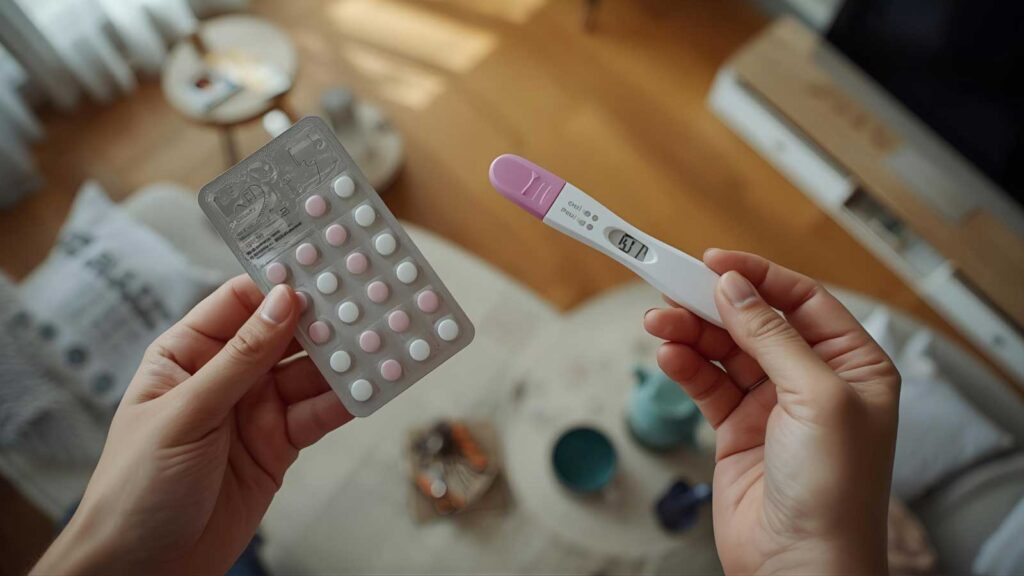
3. Is Missing a Period a Sign of Pregnancy?
Lastly, if you’ve crossed out the other two reasons, you might start suspecting pregnancy as the cause. That’s because although birth control pills help prevent conception, success rates can vary depending on:
- How consistently you adhere to your regimen;
- How well your body absorbs the hormones, or;
- If you are taking certain medications that can counter birth control.
Regarding success rates, birth control pills have an average efficacy rate of 99% with perfect use. However, this success rate can drop to 91% with typical use, which accounts for possible missed or late doses. This margin of error may lead to fluctuating hormone levels that could trigger ovulation, thereby elevating the risk of conception if engaging in unprotected sex.
If you suspect pregnancy as the cause for missing your period, the next steps you can take are:
- Continue your birth control and monitor your body for three to four weeks.
- Take a pregnancy test if your period does not arrive after the weeks of monitoring.
- Contact your OB-GYN for further advice.
What To Do If You Miss Your Period on Placebo Pills
Each of our bodies reacts differently to medications, including birth control pills. For some women taking them, missing a period on the placebo pill phase is an entirely typical occurrence. In some cases, it may even be the intended reason why they’re taking them.
But for others, missing a period on the placebo pill isn’t as common and only happens after they’ve been consistently taking it for a few months. Sometimes, slight bleeding that is counted as a period may still even occur now and then.
Whichever case you find yourself in, you must remember that there are various factors to consider when you don’t get your period on the placebo pills. Awareness of these possible reasons helps save you from any unnecessary worries about pregnancy, especially if you’ve been taking the pill to avoid it in the first place.
Should you still experience some doubt and confusion about missed periods, you should always feel welcome to ask your OB-GYN for advice. At Atlanta Obstetrics and Gynecology, we always ensure that all your questions and concerns pertaining to your body’s reactions to medications are addressed.
Frequently Asked Questions
Can I skip the placebo pills entirely to avoid bleeding?
Yes, many women safely skip placebo pills and start a new pack of active pills immediately. This practice, sometimes called continuous cycling, extends the time between withdrawal bleeds or eliminates them altogether. The FDA has approved certain extended-cycle pills specifically for this purpose.
Does going months without a withdrawal bleed pose health risks?
No evidence suggests that skipping withdrawal bleeds while on hormonal birth control harms your health. The bleeding during placebo week serves no medical purpose since it doesn’t reflect ovulation or a “real” menstrual cycle. Your uterine lining stays thin and stable during pill use, and OBGYN specialists confirm that absent withdrawal bleeding on the pill remains medically safe for long-term use.
Will skipping withdrawal bleeds make it harder to detect pregnancy?
Pregnancy detection does not rely on having a period. Home pregnancy tests measure hCG, a hormone present only during pregnancy, so a missed withdrawal bleed does not prevent accurate testing. Some women choose monthly testing for reassurance, and others test only when symptoms appear.
Can switching pill brands change my bleeding pattern?
Yes, different birth control pills contain varying hormone types and doses, and your body may respond differently to each one. One formulation may lead to absent bleeding, while another produces more predictable withdrawal bleeds.
How soon will my natural period return after stopping the pill?
Most women see their natural cycle return within one to three months after stopping hormonal birth control, though some notice a period sooner and others take slightly longer. Factors such as age, length of pill use, and pre-pill cycle patterns can influence timing.