

Uterine fibroids are non-cancerous growths that can form inside or on the surface of the uterus. They can appear as a single growth or in clusters and may vary greatly in size. These growths develop when changes in hormone levels and uterine tissue cause cells to grow more rapidly than usual. Regular gynecologic care plays a key role in detecting and managing fibroids early. Fibroids can often be detected and managed early before they begin to affect your daily comfort or reproductive health.
In this article, we’ll walk you through how fibroids are diagnosed and the modern, effective treatment options available to help you feel your best again.
What Are the Major Signs and Symptoms Connected to Uterine Fibroids?
Fibroid symptoms differ depending on how extensive they are and the location within or on the uterus. Many women with small fibroids experience no symptoms at all and discover them only during routine pelvic examinations. Others face significant discomfort that interferes with work, relationships, and daily activities.
Common symptoms include:
- Heavy, prolonged, or painful menstrual bleeding: Menstrual flow may soak through pads or tampons every hour, require double protection, or last longer than seven days. Excessive blood loss often leads to anemia, causing fatigue, weakness, and shortness of breath.
- Pelvic pain or pressure: Many women feel a constant dull ache or a sense of fullness in the lower abdomen. Some experience sharp, stabbing pains during certain activities.
- Frequent urination or difficulty emptying the bladder: Pressure on the bladder can cause waking multiple times at night to urinate or a sense of urgency even when the bladder contains little urine.
- Constipation or rectal pressure: Fibroids pressing on the bowel can make bowel movements difficult or uncomfortable.
- Pain during sexual intercourse: Discomfort may occur when fibroids are positioned in ways that make penetration uncomfortable or cause general pelvic tenderness.
- Lower back pain: Large fibroids can press on nerves in the pelvic area, sometimes causing pain that extends down the legs.
- Reproductive issues: Submucosal fibroids that grow into the uterine cavity may interfere with embryo implantation or lead to infertility, recurrent miscarriages, or pregnancy complications.
Read More: Why You Should Never Skip Your Pelvic Exams
How Uterine Fibroids Are Diagnosed
Fibroids are often found during a routine pelvic exam, when your doctor notices the uterus feels larger or uneven. From there, a few simple and painless tests can confirm the diagnosis and show where the fibroids are located and how many there are.
Ultrasound
Ultrasound is typically the first imaging test used to examine the uterus and detect fibroids. An abdominal ultrasound is often performed first, followed by a transvaginal ultrasound using a small probe inserted into the vagina for clearer, more detailed images.
Saline Infusion Sonography (Hysterosonography)
This test involves injecting sterile saline into the uterus to expand the uterine cavity. The expansion allows for clearer visualization of submucosal fibroids that grow into the uterine cavity.
Magnetic Resonance Imaging (MRI)
MRI provides highly detailed, high-resolution images of fibroids and surrounding organs. It is often used before surgery to map fibroid locations precisely or when ultrasound results are inconclusive, helping guide treatment planning.
Hysteroscopy
Hysteroscopy allows direct visualization of the uterine cavity using a thin, lighted telescope called a hysteroscope inserted through the cervix. This procedure can be diagnostic or therapeutic, as small fibroids can sometimes be removed during the same visit.
Laparoscopy
Laparoscopy uses a thin viewing instrument called a laparoscope inserted through small abdominal incisions. It allows for examination of fibroids on the outside of the uterus and assessment of their impact on surrounding organs.
Lab Tests
Blood tests, including a complete blood count (CBC), measure red blood cell levels to check for anemia caused by heavy bleeding. Other tests may be ordered to rule out conditions such as thyroid disorders that can cause similar symptoms.
What is The Best Treatment for Uterine Fibroids?
Finding the right treatment for uterine fibroids starts with understanding how they’re affecting your body and your goals for the future. Some fibroids cause little to no discomfort and may not need treatment right away. Others can disrupt daily life or impact fertility, making medical or surgical care the best choice. Your doctor will work with you to design a plan that fits your needs, whether that means managing symptoms, shrinking fibroids, or removing them altogether.
Medications
Medications cannot eliminate fibroids, but can help control symptoms and may temporarily reduce fibroid size. Medical management is often considered first, especially for women approaching menopause, when fibroids naturally shrink as estrogen levels decline.
Over-the-Counter (OTC) Pain Medications
Nonsteroidal anti-inflammatory drugs (NSAIDs), such as ibuprofen or naproxen, reduce menstrual cramping and pain associated with fibroids. These medications work by decreasing prostaglandins, hormone-like substances that cause uterine contractions and pain. While NSAIDs manage discomfort effectively, they do not address heavy bleeding or shrink fibroids.
Iron Supplements
Iron supplements are used to treat anemia resulting from chronic heavy menstrual bleeding. They help restore healthy red blood cell levels, reducing fatigue and weakness. Taking iron with vitamin C improves absorption, though constipation or stomach upset may occur as side effects.
Birth Control
Hormonal birth control, including pills, patches, or hormonal IUDs, regulates menstrual cycles and significantly reduces heavy bleeding. The hormonal IUD releases progestin directly into the uterus, thinning the uterine lining and decreasing menstrual flow. Birth control does not shrink fibroids, but can make symptoms more manageable.
Gonadotropin-Releasing Hormone (GnRH) Agonists
GnRH agonists, such as Lupron, temporarily block estrogen production, causing fibroids to shrink and bleeding to stop. These medications are sometimes used for three to six months before surgery to make fibroids easier to remove or as a bridge to menopause, when fibroids may naturally regress. Side effects can include hot flashes, vaginal dryness, and reduced bone density, limiting long-term use.
Surgery
Surgery is often chosen when fibroids lead to persistent discomfort, complications, or fertility concerns. The type of procedure depends on whether the uterus needs to be preserved and how the fibroids affect overall uterine function.
Myomectomy: Removing Fibroids While Preserving the Uterus
Myomectomy removes fibroids while keeping the uterus intact, preserving the possibility of future pregnancy. This procedure can be performed through open abdominal surgery for large or numerous fibroids, or via minimally invasive methods for smaller, accessible fibroids.
Recovery time varies by approach, typically ranging from two to six weeks. New fibroids may develop after myomectomy, with recurrence rates around 25% within ten years.
Laparoscopy
Laparoscopic myomectomy removes fibroids through several small abdominal incisions using specialized instruments and a camera. This technique allows a shorter recovery period and minimal scarring. Laparoscopy is often used for fibroids on the outer uterus or within the uterine wall that are accessible through this technique.
Hysterectomy: Complete Uterus Removal
Hysterectomy permanently eliminates fibroids by removing the entire uterus. This procedure is the only definitive way to prevent fibroid recurrence. It may be performed through the abdomen, vagina, or laparoscopically.
Recovery typically takes four to six weeks, depending on the surgical method. Hysterectomy is generally considered for women with severe symptoms who have completed childbearing or when other treatments have not been effective.
Uterine Artery Embolization (UAE)
UAE blocks blood flow to fibroids, causing them to shrink. An interventional radiologist performs this procedure by threading a catheter through the groin artery to the uterine arteries and injecting tiny particles to block the fibroids’ blood supply.
Most patients return home the same day and resume normal activities within one to two weeks. UAE preserves the uterus but may affect fertility, so it is often recommended for women who do not plan future pregnancies.
Endometrial Ablation
Endometrial ablation removes the uterine lining to reduce or stop heavy menstrual bleeding. The procedure can use heat, cold, electrical current, or radiofrequency energy and is typically performed on an outpatient basis.
Recovery takes a few days, and many patients experience significantly lighter periods or no periods at all. Ablation does not remove fibroids but addresses the bleeding they cause. Pregnancy becomes unsafe after this procedure, so it is generally considered only for women who have completed childbearing.
Lifestyle Management
Lifestyle modifications complement medical and surgical treatments by reducing symptoms and improving overall well-being. While lifestyle changes alone rarely eliminate significant fibroid symptoms, they support the body’s healing and may slow fibroid growth.
- Diet and Nutrition Changes: Eating a diet rich in fruits, vegetables, and whole grains while limiting red meat and alcohol may reduce fibroid risk and growth. Some research suggests that foods high in vitamin D, green tea, and foods with anti-inflammatory properties help manage fibroid symptoms. Maintaining a healthy weight matters because obesity increases estrogen levels that can fuel fibroid growth.
- Exercise and Physical Activity: Regular physical activity helps maintain a healthy weight, reduces estrogen levels, and improves overall health. Aim for at least 150 minutes of moderate exercise weekly. Women managing heavy menstrual flow or pelvic pressure from fibroids may benefit from anti-inflammatory diets and gentle exercise
- Stress Reduction Techniques: Chronic stress affects hormone levels and can worsen fibroid symptoms. Practice stress management through meditation, deep breathing exercises, yoga, or other relaxation techniques. Many women find that reducing stress improves their pain levels and overall quality of life, even when fibroids remain unchanged.
- Sleep and Rest Optimization: Prioritize getting seven to nine hours of quality sleep nightly. Good sleep supports immune function, hormone regulation, and pain management. Using pillows to support the abdomen or legs may improve comfort and sleep quality.
Also Read: Common Gynecological Issues Women Face and How an OBGYN Can Help
When to Seek Professional Care
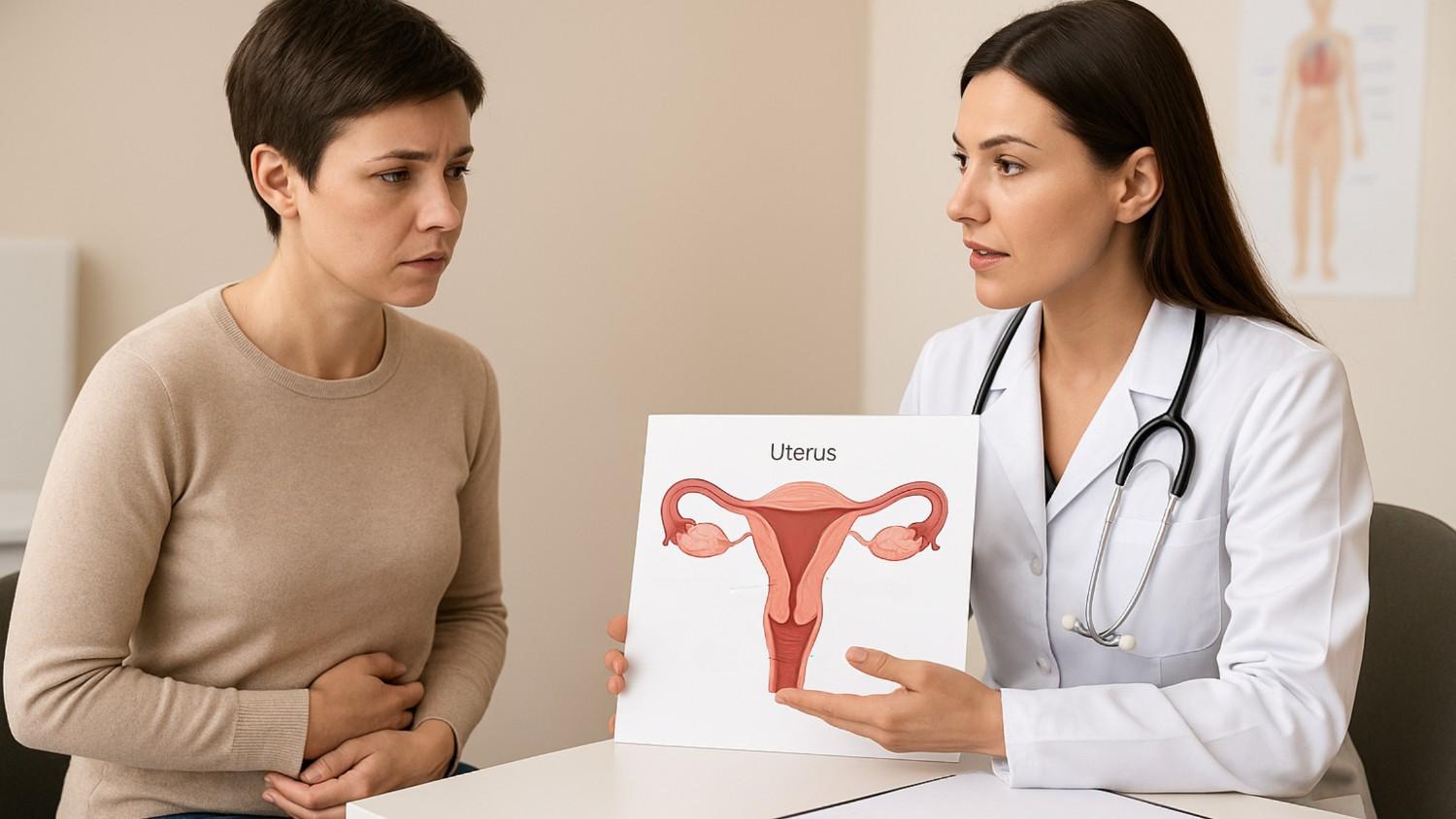
While many fibroids cause mild or moderate symptoms, certain severe or unusual signs require prompt evaluation by a gynecology specialist. If you experience symptoms between annual exams, schedule a visit promptly rather than waiting for your next routine check-up.
Severe or unusual indicators for visiting an OBGYN include:
- Rapidly enlarging fibroids over a short period.
- Postmenopausal bleeding.
- Severe urinary problems, such as retention or recurrent infections.
- Fibroids that are causing pressure on surrounding organs, leading to discomfort.
Atlanta Obstetrics & Gynecology Specialists provide comprehensive gynecology services, and our team develops individualized plans, guiding patients through evaluation, treatment, and follow-up for the best outcomes. Call us today to schedule a consultation and discuss personalized treatment options.