
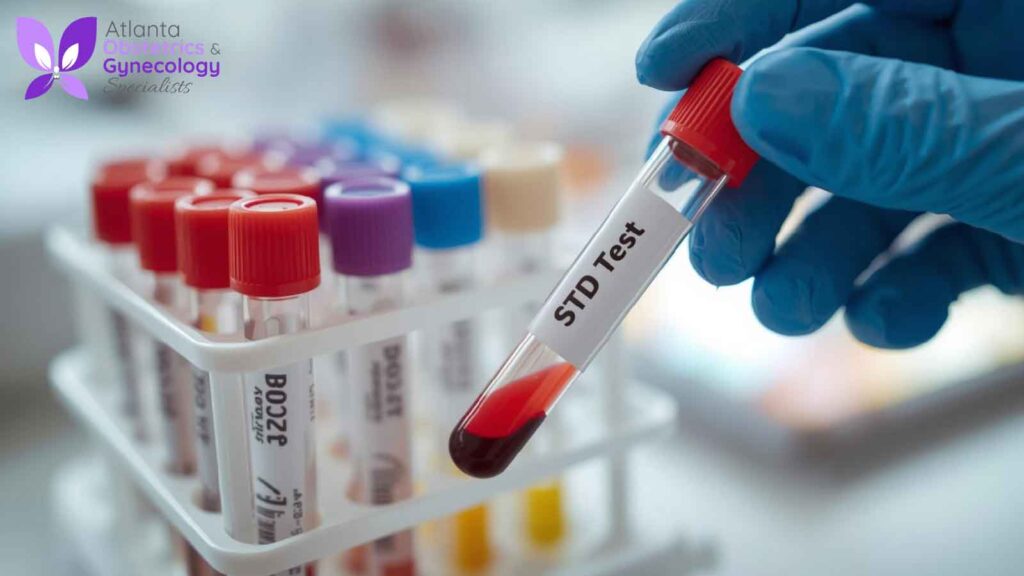
Taking charge of your sexual health is an empowering choice. If you’re considering STD testing or wondering whether it’s time to get tested, you’re not alone. Many women have questions about when to get tested, what to expect during the process, and the importance of regular screenings for their overall well-being.
This blog will answer those questions, explaining who should get tested, what happens during an STD test, and how testing supports informed, confident decisions about your reproductive health.
Why STD Testing Matters for Your Reproductive Health
Regular STD testing is more than just checking your current health status. For women, it’s a vital step in protecting your fertility, pregnancy outcomes, and long-term wellness. Understanding the importance of screening helps you take control of your health and prioritize preventive care.
The Hidden Danger of Asymptomatic Infections
Many sexually transmitted infections don’t show obvious symptoms, which makes them easy to overlook. For example, one of the most commonly diagnosed bacterial STIs often shows no symptoms in women, with a large percentage of cases going unnoticed. Other bacterial infections can behave in a similar way. Without testing, these infections can silently damage your reproductive system, sometimes for months or even years.
Untreated infections can lead to pelvic inflammatory disease (PID), which causes inflammation and scarring in the fallopian tubes, uterus, and surrounding tissues. PID often develops without noticeable symptoms, making regular STD testing the most reliable way to catch problems early and protect your health.
Protecting Your Fertility and Future Pregnancies
Certain sexually transmitted infections can affect the reproductive organs in ways that may interfere with conception or pregnancy if they go untreated. For example, untreated bacterial STIs can cause internal scarring that contributes to tubal factor infertility, one of the more common causes of female infertility. Another concern is ectopic pregnancy, which happens when a fertilized egg implants in the fallopian tube instead of the uterus. Early detection allows treatment to begin before infections cause structural changes that can complicate conception or pregnancy.
Who Needs STD Testing and How Often
Understanding when and how often to get tested is key to maintaining your sexual health. Screening recommendations depend on your age, sexual activity, and personal health circumstances. By knowing which guidelines apply to you, you can confidently advocate for the care you need during your appointments.
Screening Guidelines by Age
The Centers for Disease Control and Prevention (CDC) provides simple recommendations based on your stage in life:
- Women under 25: If you’re sexually active, annual screening for the most common bacterial STIs is recommended, regardless of relationship status or birth control use. Even if you’re in a monogamous relationship, regular testing is important to stay on top of your health.
- Women 25 and older: If you have new sexual partners, multiple partners, or if your partner has tested positive for an STI, annual testing is recommended. Keeping track of your sexual health is essential, especially if your situation changes.
- All adults ages 13 to 64: You should have at least one HIV test in your lifetime, and more frequent testing is recommended depending on your risk factors, such as unprotected sex or having multiple partners.
Your OBGYN can help you determine how often you need testing based on your personal health. Access to comprehensive screening options can make it easier to stay aligned with these guidelines and keep your health on track.
Testing During Pregnancy
Pregnancy makes STD testing even more important for both you and your baby. Early prenatal care usually includes tests for HIV, syphilis, and hepatitis B, with many providers also screening for common bacterial infections during the first trimester.
You can pass these infections to your baby during delivery or cause serious pregnancy complications. For example, syphilis can lead to stillbirth or preterm birth, while HIV can be transmitted to the baby, though with proper treatment, it’s preventable.
If you have risk factors, some infections might require repeat testing later in your pregnancy. Your prenatal care provider will guide you through a testing schedule that’s right for you and your baby, helping ensure a healthy pregnancy.
When to Get Tested Between Annual Screenings
While annual exams give you a solid health baseline, some situations call for testing outside your regular schedule:
- Starting a new sexual relationship with someone you haven’t tested with yet.
- Finding out that a partner has tested positive for an STI.
- Noticing symptoms like unusual discharge, pelvic pain, or genital sores.
- Having unprotected sexual contact.
You don’t have to wait for your yearly appointment to take action. If you’re concerned, many testing providers offer walk-in or same-day appointments for urgent needs. The sooner you act, the better. Getting tested quickly helps protect your health and reduces the risk of unknowingly passing an infection to a partner.
By staying on top of your screenings and testing when needed, you’re taking control of your sexual health and ensuring the well-being of your future.
RELATED ARTICLE: How to Choose the Right Birth Control
Common STD Tests and What to Expect
Understanding what happens during STD testing removes much of the anxiety surrounding these appointments. The process is straightforward, typically quick, and designed with your comfort in mind.
The Consultation
Your visit starts with a private conversation where you’ll discuss your concerns, sexual history, and any symptoms you’ve noticed. Healthcare providers who specialize in sexual health approach these conversations with professionalism and respect, focusing only on the information needed to recommend appropriate testing. You’re encouraged to be open about your experiences, and don’t hesitate to ask any questions that come to mind.
This consultation will guide your provider in determining which tests are appropriate for your situation. They’ll explain their recommendations clearly and give you the option to request additional tests if you have specific concerns.
Types of Tests Your OBGYN May Recommend
Different infections require different testing methods, but providers design all of them to be as simple and comfortable as possible. Here’s what you might encounter during a standard STD screening:
| Test Type | Method | What It Detects |
| Urine/NAAT | Urine sample or vaginal swab | Chlamydia, gonorrhea |
| Blood draw | Simple blood test | HIV, syphilis, hepatitis B and C |
| Swab test | Genital or rectal swab | Herpes (if sores present), trichomoniasis |
| Pap/HPV co-test | Cervical sample | HPV strains linked to cervical cancer |
Most tests cause minimal discomfort. Urine samples and self-collected vaginal swabs require no physical examination at all. A blood draw involves just a brief needle stick, and a cervical swab feels similar to the routine Pap smear you’re likely familiar with.
MORE ON THIS TOPIC: The Importance of Annual Exams for Every Woman
Recognizing Symptoms That Warrant Immediate Testing

While many sexually transmitted infections don’t show obvious symptoms, some do cause noticeable changes. Understanding what to watch for helps you seek care right away when something feels off. Paying attention to your body and acting quickly helps you get clear answers and timely care.
Physical Signs to Take Seriously
If you notice any of these changes, it’s important to take them seriously and schedule a visit with your OBGYN or a qualified sexual health provider:
- Vaginal discharge changes: A new odor, unusual color (green, yellow, or gray), or a different consistency could signal an infection, such as bacterial vaginosis or trichomoniasis. Changes in discharge can also be a sign of an STI, so it’s important to get tested and rule out any issues.
- Urinary symptoms: Burning or pain during urination, or frequent urination, could be signs of a bacterial infection affecting the urinary tract. These symptoms should not be ignored, as untreated STIs can lead to more serious health issues.
- Pelvic discomfort: Pain or pressure in your lower abdomen, or pain during intercourse, can signal an underlying infection affecting the reproductive organs. If you’re feeling this discomfort, it’s time to get tested and find out what’s causing it.
- Visible changes: Sores, bumps, blisters, or warts on or around the genitals can be signs of herpes, HPV, or other STIs. Even if you’re unsure, it’s important to get checked so you can get the right treatment and prevent complications.
- Bleeding irregularities: Spotting between periods or bleeding after sex can indicate an STI or another reproductive health issue. It’s always worth bringing up with your provider to ensure everything is okay.
If you experience any of these symptoms, don’t wait; get tested. Early treatment can prevent complications and help you feel more in control of your health.
Symptoms That May Seem Unrelated
Some symptoms may not immediately seem connected to an STI, but they can still indicate a problem. For example, flu-like symptoms such as fever, body aches, fatigue, and swollen lymph nodes can accompany new HIV or herpes infections. Hepatitis may cause joint pain, nausea, or persistent tiredness.
If you’ve had recent sexual exposure and start to feel these kinds of systemic symptoms, be sure to mention this to your healthcare provider. The context matters when diagnosing an issue, and your provider needs complete information to order the right tests and give you the care you need. Always be open about any concerns, including pelvic pain or other related symptoms, so you can receive the appropriate testing and treatment.
ALSO READ: Vaginal Discharge: What’s Normal, What’s Not, and When to See an OBGYN
Treatment Options and What Comes Next
If you’ve received a positive result on an STD test, it can be overwhelming. However, most sexually transmitted infections respond well to treatment, and knowing your options helps you move forward with confidence.
Bacterial Infections: Curable with Antibiotics
Antibiotics can cure bacterial STIs like chlamydia, gonorrhea, syphilis, and trichomoniasis. Your OBGYN will prescribe the right medication based on your specific infection and medical history.
It’s crucial to complete the full course of antibiotics, even if symptoms improve quickly. Stopping the medication early can allow the infection to return or lead to antibiotic resistance. After treatment, follow-up testing, usually about three months later, ensures the infection has cleared and that reinfection hasn’t occurred.
Viral Infections: Manageable with Proper Care
Viruses cause some STIs, including HIV, herpes, and HPV, and these infections cannot be cured. But that doesn’t mean they can’t be effectively managed.
For example, antiretroviral therapy (ART) for HIV allows people to live long, healthy lives by lowering viral levels to the point where transmission is highly unlikely. Herpes outbreaks often become less frequent and less severe with antiviral medications. HPV, while it often clears on its own within one to two years, may require ongoing monitoring through Pap and HPV tests if it’s linked to higher-risk strains.
Your healthcare team can connect you with specialists and provide ongoing support, so you can live well with a viral STI. With proper medical care, it’s absolutely possible to manage and live a fulfilling life.
Partner Notification and Preventing Reinfection
If your STD test comes back positive, it’s important to notify your sexual partners so they can get tested and treated. This step is crucial to avoid passing the infection back and forth, protecting both your health and theirs.
While it can be uncomfortable to have this conversation, your provider can offer advice on how to approach it. In some areas, health departments provide anonymous partner notification services, where your partners are informed that they may have been exposed to an STI, but your identity remains confidential.
Your partner needs to complete their treatment before you resume sexual activity. If not, reinfection is likely, and you may need repeat treatment for the same infection. Taking these steps seriously ensures both you and your partner can move forward with your health intact.
Prevention: Protecting Yourself Going Forward
While testing helps identify current infections, prevention is key to maintaining your sexual health over time. By building protective habits into your routine, you can reduce your risk of future infections and take control of your well-being.
Barrier Methods and Communication
Using condoms consistently and correctly is one of the most effective ways to reduce your risk of acquiring most STIs. Always use condoms with new partners, and continue to use them until both of you have completed an STD panel test and shared your results openly.
Open communication with your partners about sexual history and testing is essential. It may feel awkward at first, but it shows maturity and care for each other’s health. Partners who resist testing or brush off your concerns may not prioritize your well-being the way you deserve. Trust and mutual respect are built through honest conversations about sexual health.
Vaccines That Protect Against STIs
There are two vaccines that can help protect you from certain STIs:
- HPV vaccine: Providers recommend this for women up to age 45. This vaccine helps prevent the HPV strains linked to most cervical cancers, genital warts, and other HPV-related cancers. If you haven’t been vaccinated yet, talk to your OBGYN about catching up.
- Hepatitis B vaccine: This vaccine protects against a serious liver infection that can be transmitted sexually. Most people receive this vaccine in childhood, but if you missed it, you can still benefit from it as an adult.
These vaccines work best when given before exposure, but they’re still valuable even if you’ve been sexually active. During your next STD testing appointment, discuss your vaccination history with your provider to ensure you’re fully protected.
By combining safe practices with open communication and vaccinations, you can protect your sexual health and reduce the risk of future infections.
Schedule Your Screening Today
Regular STD testing supports proactive reproductive care by identifying infections before they affect your health or future plans. Timely testing provides clear answers and allows your provider to address concerns before complications develop. By taking this step, you’re not only protecting yourself but also your partners.
At Atlanta Obstetrics & Gynecology Specialists, we provide confidential, compassionate sexual healthcare in a supportive and respectful setting. Our board-certified OBGYNs offer comprehensive screening with in-office lab capabilities, ensuring faster results.
Contact our STD testing center to schedule your appointment today! Taking action now supports clarity, proactive care, and a healthier future.