

If you’ve experienced persistent pelvic discomfort during your period, you’re not alone. Many women struggle for years, seeking answers to explain the discomfort, only to leave multiple appointments without a clear diagnosis. Traditional treatments often fail to provide relief, leaving you wondering if anyone will truly understand or take your pain seriously. Adenomyosis is often mistaken for endometriosis, but understanding the key differences can help you and your OBGYN move closer to relief.
In this blog, we’ll explore the differences between the two conditions, helping you better understand your symptoms and take the next step toward finding relief.
What Is Adenomyosis?
Adenomyosis occurs when the endometrial tissue, which typically sheds during menstruation, grows into the myometrium (the muscular wall of the uterus). Instead of remaining on the inner lining where it belongs, this tissue embeds itself deep within the muscle. As a result, your uterus becomes enlarged, tender, and inflamed. Your OBGYN specialists can diagnose this condition through imaging and a thorough evaluation of your symptoms.
Research published in the National Library of Medicine suggests adenomyosis affects up to 20-35% of women, though the actual number may be higher since many cases go undetected. The condition most commonly develops in women between the ages of 40 and 50, particularly those who have given birth or undergone uterine surgery. However, younger women can also develop adenomyosis, especially if they experience heavy, painful periods.
Unlike typical menstrual cramps, which can often be managed with over-the-counter medication, the pain from adenomyosis tends to disrupt daily life and intensifies over time.
Why Adenomyosis Causes Such Intense Pain
The endometrial tissue trapped in the uterine muscle responds to your monthly hormonal cycle, thickening and bleeding like the tissue lining your uterus. However, this blood has nowhere to go. Trapped within the muscle, the accumulated blood triggers an inflammatory response, creating internal pressure that irritates nearby nerve endings with each cycle.
As this cycle repeats, the uterus becomes increasingly tender, and symptoms that once seemed manageable may begin to disrupt your daily life. Early OBGYN care can help identify adenomyosis before it progresses further.
Symptoms That May Signal Adenomyosis
While symptoms can vary, certain patterns specifically suggest adenomyosis:
- Heavy menstrual bleeding: Bleeding that soaks through pads or tampons quickly, often with large clots.
- Severe dysmenorrhea: Menstrual cramps that are more intense and can disrupt daily activities.
- Chronic pelvic pain: Ongoing pelvic pain that persists even outside of your period.
- Bloating or abdominal pressure: Caused by uterine enlargement.
- Symptoms that worsen over time: Pain and discomfort that gradually intensify rather than stay stable.
These symptoms often get overlooked or attributed to stress, but if any of this sounds familiar, your OBGYN can perform specific tests to determine the cause.
The Emotional Toll of Living with Adenomyosis
Chronic pelvic pain doesn’t just affect your body. It can also impact your emotional and mental well-being. Many women with adenomyosis experience frustration, anxiety, or feelings of isolation after years of unexplained symptoms and concerns that were not taken seriously. The ongoing cycle of pain can strain relationships, disrupt career goals, and reduce your overall quality of life.
You deserve care that addresses both your physical and emotional health. Your OBGYN care team is here to listen, validate your experiences, and connect you with additional resources for support when needed. Healing involves the whole person, and we’re committed to supporting you every step of the way.
Adenomyosis vs. Endometriosis: Understanding the Difference
While both adenomyosis and endometriosis involve abnormal growth of endometrial-like tissue, they differ in location and how they affect your body. Adenomyosis is confined to the uterus, whereas endometriosis can affect other pelvic structures, which requires different diagnostic approaches. Your OB-GYN will use advanced imaging tools to accurately diagnose your condition and determine the best path forward, with transvaginal ultrasound and MRI being the primary methods.
Where the Tissue Grows
In adenomyosis, the abnormal tissue stays contained within the uterus. The endometrial cells invade the myometrium, thickening the uterine wall. During an exam, your OB-GYN may refer to your uterus as “boggy,” noting its unusual texture and tenderness.
Endometriosis, on the other hand, occurs when endometrial-like tissue grows outside the uterus. It can implant on the ovaries, fallopian tubes, bowel, bladder, or other pelvic structures. Each location leads to unique symptoms and complications. Because the tissue grows in different places, your OBGYN will use different diagnostic approaches for each condition.
How the Pain Feels Different
Pain from adenomyosis is often described as deep, diffuse, and centered within the uterus. Many women describe it as heavy cramping or internal ache that intensifies during menstruation. As the uterus grows, you might notice persistent pressure and fullness in your pelvic area, even between periods.
Endometriosis pain tends to be sharper and more localized, depending on where the tissue has implanted. You may experience discomfort during bowel movements, urination, or intercourse. Unlike adenomyosis, the pain from endometriosis often persists throughout the menstrual cycle, not just during your period. An experienced OB-GYN can help identify which type of pain you’re experiencing and guide you toward the right treatment.
Can You Have Both Conditions?
Yes, you can have both adenomyosis and endometriosis. Research published in the National Library of Medicine shows that these conditions often coexist in the same patient, contributing to infertility, painful intercourse, and chronic pelvic pain. When symptoms overlap, it can make diagnosis more complex, but with the right care, it’s certainly manageable.
Hormonal treatments like birth control pills and hormonal IUDs can often help manage symptoms of both conditions at the same time. However, getting an accurate diagnosis through imaging is essential to determine the best treatment for your needs. Advanced OBGYN practices utilize advanced imaging techniques, such as transvaginal ultrasound and MRI, to differentiate between adenomyosis and endometriosis and identify when both conditions are present, ensuring the most effective treatment.
LEARN MORE: Common Gynecological Issues Women Face and How an OBGYN Can Help
How Adenomyosis Is Diagnosed
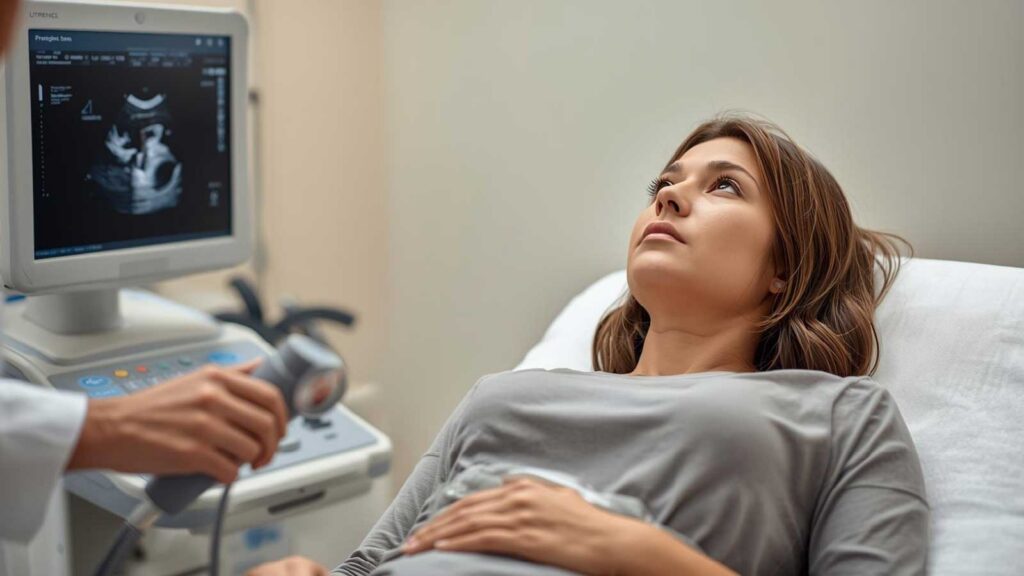
Adenomyosis often goes undiagnosed for years because its symptoms can mimic those of many other conditions. Pelvic exams may reveal tenderness, but specialized imaging, such as transvaginal ultrasound and MRI, provides the most accurate diagnosis. A gynecologist experienced in pelvic pain conditions can often identify adenomyosis without invasive procedures.
Why Adenomyosis Often Goes Undetected
Several factors contribute to the delayed diagnosis of adenomyosis. Many women are told that their severe cramps are just a normal part of their menstrual cycle, leading them to accept unnecessary suffering for years. Additionally, adenomyosis cannot be definitively diagnosed through a standard pelvic exam alone. It requires specific imaging techniques, such as transvaginal ultrasound or MRI, that are not always routinely used by other healthcare providers when evaluating pelvic pain. As a result, symptoms are often misattributed to other conditions, like stress, fibroids, or endometriosis, without confirming the actual cause.
Transvaginal Ultrasound
Transvaginal ultrasound is often the first-line diagnostic tool for adenomyosis. During this procedure, your OBGYN will look for specific signs such as abnormal texture in the myometrium, small cysts within the uterine wall, and uneven thickening of the muscle layer.
This in-office, non-invasive procedure provides a quick and convenient assessment, often delivering preliminary results during the appointment, helping your OBGYN move forward with a diagnosis without the need for an external referral.
MRI for Detailed Assessment
If ultrasound results are inconclusive or a more detailed image is needed, an MRI offers higher resolution for diagnosing adenomyosis. It not only confirms the presence of the condition but also helps distinguish it from other issues, such as uterine fibroids, that may appear similar on ultrasound.
MRI is particularly valuable when planning for surgery or when fertility preservation is a consideration. Depending on your specific needs, your OB-GYN may recommend this imaging to help guide treatment decisions.
ALSO READ: Ovarian Cysts: Types, Symptoms, and When to Seek Treatment
Treatment Options for Adenomyosis
The right treatment for adenomyosis depends on how severe your symptoms are, your family planning goals, and how your body responds to initial therapies. Your treatment plan is carefully designed to meet your unique health needs, ensuring you receive care tailored to your individual situation. Your specialist will discuss all options, helping you weigh the benefits and limitations of each so you can make the best choice for your health.
Managing Symptoms Without Surgery
For many women, first-line treatments focus on managing pain and controlling symptoms with hormonal therapies that reduce bleeding and slow tissue growth:
- Nonsteroidal Anti-Inflammatory Drugs (NSAIDs) like ibuprofen reduce inflammation and provide relief from pain during flare-ups.
- Hormonal IUDs (such as Mirena) deliver progestin directly to the uterus, often providing excellent results in reducing symptoms.
- Oral progestins help suppress the hormonal cycles that trigger symptoms.
- Combination birth control pills regulate hormones and can reduce menstrual flow.
Many women find significant relief through these conservative approaches, which can help maintain fertility. Pelvic floor therapy may also help relieve muscle tension and discomfort associated with adenomyosis. Your OBGYN will track your response to treatment and adjust the plan as needed to achieve the most effective results.
Minimally Invasive Surgical Options
When medications don’t provide enough relief, there are several minimally invasive surgical options to consider:
Uterine artery embolization cuts off the blood supply to the areas affected by adenomyosis, causing the tissue to shrink. This outpatient procedure requires no incisions and typically offers a shorter recovery time compared to traditional surgery. Most women return to normal activities within one to two weeks, though full symptom improvement may take several months as the tissue gradually shrinks.
For more targeted intervention, minimally invasive robotic surgery allows specialists to treat adenomyosis with precision. Smaller incisions mean less discomfort, reduced scarring, and a quicker return to normal activities. Recovery typically takes two to four weeks, significantly shorter than open surgery. Robotic techniques allow your OBGYN specialists to address complex cases while minimizing the impact of surgery.
When Hysterectomy May Be Considered
Hysterectomy, the surgical removal of the uterus, is the only definitive cure for adenomyosis. This option is generally discussed for women who have completed childbearing and haven’t found adequate relief through other treatments.
Choosing a hysterectomy is a deeply personal decision. Your OBGYN will review all relevant factors with you, including the specific surgical approach, recovery expectations, and your choices regarding ovarian preservation. With minimally invasive techniques, most women recover within 4 to 6 weeks, though you may feel significantly better within the first 2 weeks. Many women who opt for a hysterectomy after years of suffering report dramatic improvements in their quality of life.
RELATED ARTICLE: Uterine Fibroids: Symptoms, Diagnosis, and Modern Treatment Options
Finding Relief Starts with the Right Diagnosis
Many women spend years searching for answers to severe period pain, often feeling frustrated when treatments don’t provide relief. Adenomyosis affects a significant number of individuals but often goes undiagnosed because it is not routinely considered by healthcare providers. Understanding your condition and receiving the correct diagnosis is the first step toward lasting relief.
At Atlanta Obstetrics and Gynecology Specialists, our board-certified OBGYN specialists are committed to thoroughly evaluating your symptoms using the latest diagnostic tools and imaging techniques. We focus on understanding your individual concerns and collaborate with you to develop a plan that aligns with your goals and daily life. Your physical comfort and emotional well-being matter to us.
Ready to take the next step? Schedule an appointment at our Atlanta or Alpharetta location. You do not have to keep living with this pain.